Prairieville Animal Hospital’s Guide to Routine Pet Wellness
A routine approach to pet wellness is more than a checklist. It’s a practical habit that keeps dogs and cats healthier longer, reduces surprises at the ER, and strengthens the bond between families and their veterinarians. In Prairieville, our days orbit around annual exams, preventive vaccines, dental care, and smart decisions about surgeries when they’re truly needed. The core idea is steady, proactive care that fits real life — work schedules, school calendars, and the occasional vacation detour.
What routine wellness looks like in practice
Wellness care is not a single service but a philosophy translated into a calendar. Each visit is a snapshot of a pet’s health, taking into account age, lifestyle, and risk factors. For younger animals, the emphasis is on growth, nutrition, parasite protection, and establishing a vaccination foundation. For middle-aged companions, the focus shifts toward early disease screening and maintaining mobility. For older pets, the conversations broaden to chronic disease management, pain control, and adjusting exercise and dietary plans.
This approach rests on two practical anchors. First, regular physicals provide early warnings before subtle signs become serious. Second, preventive care, from vaccines to dental cleanings, reduces avoidable illness and the need for emergency interventions. In real terms, a wellness exam at Prairieville Animal Hospital might involve a quick weight check followed by a thorough listening to heart and lungs, an eye and ear assessment, and a silent note about joints or skin that could become problems later if left unchecked. The value is not in a single moment but in cumulative health data that informs every decision from diet to daily activity.
The exam room is as important as the operating room. A calm, collaborative environment helps pets tolerate the process, which in turn improves the quality of information we gather. We often learn more from watching a patient move, stretch, or sit through a standing exam than from phrases in a chart. It’s the kind of detail that translates into tailored recommendations rather than one-size-fits-all advice.
Preventive care is not a one-size-fits-all proposition. It adapts to each household’s reality. If a family travels frequently, we talk about medication schedules, refills, and what to do when a trip interrupts routine. If a senior dog has limited mobility, we strategize about weight management and safe enrichment activities. The point is to keep care practical, sustainable, and respectful of the bond you share with your pet.
Wellness exams: what to expect, and why they matter
A routine exam starts with a conversation about what’s changed since the last visit. Owners are asked about appetite, energy levels, and any new concerns — a skipped meal, a slow walk, sudden thirst, or a change in bathroom habits. This dialogue helps us identify issues that aren’t obvious at a glance. Then comes the physical assessment, which covers eyes, ears, mouth, coat, skin, and nails, followed by weight and a quick movement test. In many cases, blood work or other diagnostics are recommended to screen for conditions that often hide in plain sight, such as kidney function in aging cats or thyroid balance in certain breeds.
Vaccines are not a standalone ritual but a shield that works best when integrated into the broader wellness plan. At Prairieville Animal Hospital, we tailor vaccine schedules to risk factors, lifestyle, and local disease prevalence. A vaccination visit can be straightforward, but it also presents an opportunity to review parasite protection, dental health, and microchip status. The goal is to minimize stress for pets and owners while maximizing protection. It is not unusual to leave a vaccination visit with a refreshed vaccination record, a new preventive plan, and a short-tailored message about how to recognize subtle changes in your pet’s behavior that warrant a closer look.
The routine exam is also a chance to address dental care, nutrition, and activity. Dental health especially deserves attention because issues there often echo in other parts of the body. We watch for indicators that suggest gingival disease, tooth resorption, or chronic discomfort that could affect eating and mood. A thoughtful plan may include at-home dental care routines or professional cleanings scheduled in the near term. The end result is a healthier mouth, easier meals, and a more vibrant daily life for your companion.
The rhythm of routine care can flow with seasons. In spring, the focus may include flea and tick prevention ahead of outdoor activity. In fall, we often revisit dental health as pets cool down and settle into indoor routines. For families with multiple pets, coordinating vaccines, exams, and dental cleanings helps keep administration simple and reduces the chance of missing a year’s preventive steps. The key is consistency and clear communication with your veterinary team.
A snapshot of common routine care elements
During wellness visits there are several touchpoints that recur with predictable value. First, vaccination reviews. We verify the schedule, update records, and adjust boosters according to age and exposure risk. Second, parasite prevention checks. Flea, tick, and intestinal parasite protection is discussed in practical terms, with reminders about timely re-administration and possible seasonal adjustments. Third, nutrition and weight management. We consider body condition scores and discuss portion control or food changes when needed. Fourth, dental health screening. Indications of pain, halitosis, or plaque buildup push a plan toward dental cleaning or at-home care. Fifth, exercise and mobility guidance. We talk about safe activities, weight-bearing workouts for strength, and limits that protect aging joints.
The practical benefit is visible in everyday routines. A well-timed vaccine reduces the chance of avoidable illness, while a dental cleaning lowers the risk of bacteria entering the bloodstream during routine daily activities. Regular screening detects problems early, often before they affect appetite or energy. And because most clinics operate with a shared record, families see a coherent narrative across visits rather than disparate notes that feel unrelated.
Two focused lists to guide discussion and decisions
-
What a wellness exam covers
-
Physical examination covering eyes, ears, mouth, skin, coat, joints, and gait
-
Weight assessment and nutrition counseling
-
Vaccination review and boosters as appropriate
-
Parasite prevention check and advice
-
Discussion of dietary changes, exercise, and home care routines
-
Home dental care ideas to discuss with your veterinarian
-
Daily brushing with pet-safe toothpaste
-
Dental chews or treats that support plaque control
-
Regular dental checks during veterinary visits
-
Diet adjustments to reduce tartar formation
-
Professional dental cleaning when recommended by the clinician
Vaccinations for pets: a thoughtful, risk-aware plan
Vaccines are a cornerstone of preventive pet care but they work best as part of a broader health strategy. The right plan depends on the species, age, lifestyle, and local disease landscape. In practice, we approach vaccines as a collaborative decision with families. We review the pet’s living conditions, travel plans, and exposure risk to determine what is essential and what can wait. For puppies and kittens, vaccines are staged, starting early and continuing through the first months of life to build robust protection. For adult pets, boosters and periodic re-evaluation keep immunity current without unnecessary repetition. For senior animals, we emphasize vaccines that provide ongoing protection with the least risk, balancing immune system changes that come with age.
One critical nuance concerns urban or rural environments. A city dog that rarely leaves the home may have a different exposure profile than a working dog that visits shelters or dog parks. The same logic applies to small mammals or exotic pets, where vaccine choices vary widely and require specialist input. In every case, our approach blends evidence, field experience, and the family’s day-to-day reality.
Vaccination schedules are rarely carved in stone, but a practical baseline helps families plan. Puppies often receive core vaccines in a series during the first months of life, followed by boosters at regular intervals. Adult dogs may need core vaccines every three years, with non-core vaccines tailored to lifestyle. Cats follow a similar pattern, though specifics differ by species and product availability. The overriding principle is to protect the most vulnerable moments in a pet’s life while avoiding unnecessary over-vaccination.
Spay and neuter: timing, benefits, and what to expect
Spay and neuter procedures are not just about population control; they’re about individual health and quality of life for many companions. The timing of the procedure depends on species, breed, and the pet’s overall development. In general, dogs and cats reach a point where the physical readiness aligns with safe anesthesia and recovery. If a pet has identifiable health concerns, we address those first or adjust dog kennels near me plans to minimize risk.
From the owner’s perspective, the advantages are practical and tangible. Spaying a female prevents future heat cycles and reduces certain reproductive cancers later in life. Neutering a male often lowers the risk of urinary and behavioral issues connected to hormone-driven urges. The conditioning and training needed to recover from surgery are real, but most pets return to normal activity quickly with proper post-operative care. Our team emphasizes clear instructions for home recovery, including activity restrictions, incision care, and signs that would require a follow-up call or visit.
Edge cases require thoughtful planning. For example, certain breeds with specific health risks may benefit from delaying the procedure until growth plates close or medical conditions are managed. If a pet has a community-life in a multi-pet household, we discuss the timing of spay or neuter in relation to the entire family’s routines and the potential impact on other pets. The conversation is always grounded in the goal of minimizing stress for the animal while maximizing long-term health benefits.
Pet surgery: what to expect when it’s necessary
Surgery in a veterinary setting is approached with the same careful planning clients expect from a trusted clinic. Pre-operative assessment includes a physical exam, review of medical history, and sometimes blood work to gauge organ function and overall readiness. The anesthesia plan is tailored to the animal’s age, weight, and health profile. The goal is to keep the pet stable and comfortable throughout the procedure.
Intraoperative care centers on monitoring — heart rate, respiration, blood pressure, and temperature — to ensure a smooth course. Pain management is considered at every stage, with analgesic options chosen to balance effectiveness and safety. Post-operative care is equally important. Most pets recover in a quiet, monitored space with clear guidance given for home care. Families receive written instructions about incision care, activity restrictions, medication administration, and warning signs that warrant a call or return visit.
The realities of pet surgery include trade-offs and timing. For some procedures, waiting a few weeks for a more favorable medical window could reduce risk. For others, prompt intervention is the best course. The veterinary team weighs these choices with the family, sharing expected recovery timelines and milestones. The overriding aim is to minimize stress for the animal while ensuring the safest possible outcome.
Dental care as a daily commitment and a practice area
Dental health is not a single service, but a continuous habit that intersects with every other aspect of wellness. Regular dental care reduces the risk of bite pain, tooth loss, and systemic issues that can arise when bacteria enter the bloodstream from untreated teeth. Real-world routines matter here as much as clinical interventions. A consistent at-home routine paired with professional cleanings yields durable results.
A practical approach to dental care integrates three elements. First, assessment during wellness visits helps identify problems early. Second, at-home care supports the natural defenses of the mouth, including brushing and appropriate chews. Third, professional cleanings at the clinic remove tartar buildup and address issues not resolvable at home. In our experience, families who commit to dental care notice improvements in appetite, grooming, and overall vitality. The difference is gradual but real, especially for aging pets that accumulate minor dental concerns over years.
Choosing Prairieville Animal Hospital for routine pet wellness
A clinic’s character emerges in how it handles routine care and the unexpected moments that arise between visits. Prairieville Animal Hospital has built a practice around clarity, accessibility, and shared decision-making. We emphasize transparent conversations about risk, benefit, and cost, while remaining attentive to the emotional needs of families and the comfort of pets. The approach is practical, never theoretical, and it translates into consistent outcomes over time.
If you’re evaluating options, consider the following practical touchpoints. Do the team members take time to listen and answer questions about vaccines, dental care, or surgical plans? Is there a clear pathway for coordinating care when multiple pets share a home calendar? Do the clinicians explain post-procedure instructions in plain language and follow up on recovery progress? These questions help families align expectations with daily realities, rather than chasing abstract ideals about veterinary care.
The life of a pet is made up of moments: healthy mornings, quiet afternoons, and the occasional challenge that tests the routine you’ve worked hard to establish. Routine wellness is the quiet engine behind those moments, a steady rhythm of check-ins, preventive care, and thoughtful guidance. At Prairieville Animal Hospital, the aim is not to impart complex jargon but to give families concrete, actionable steps to keep pets thriving.
Practical considerations for real life
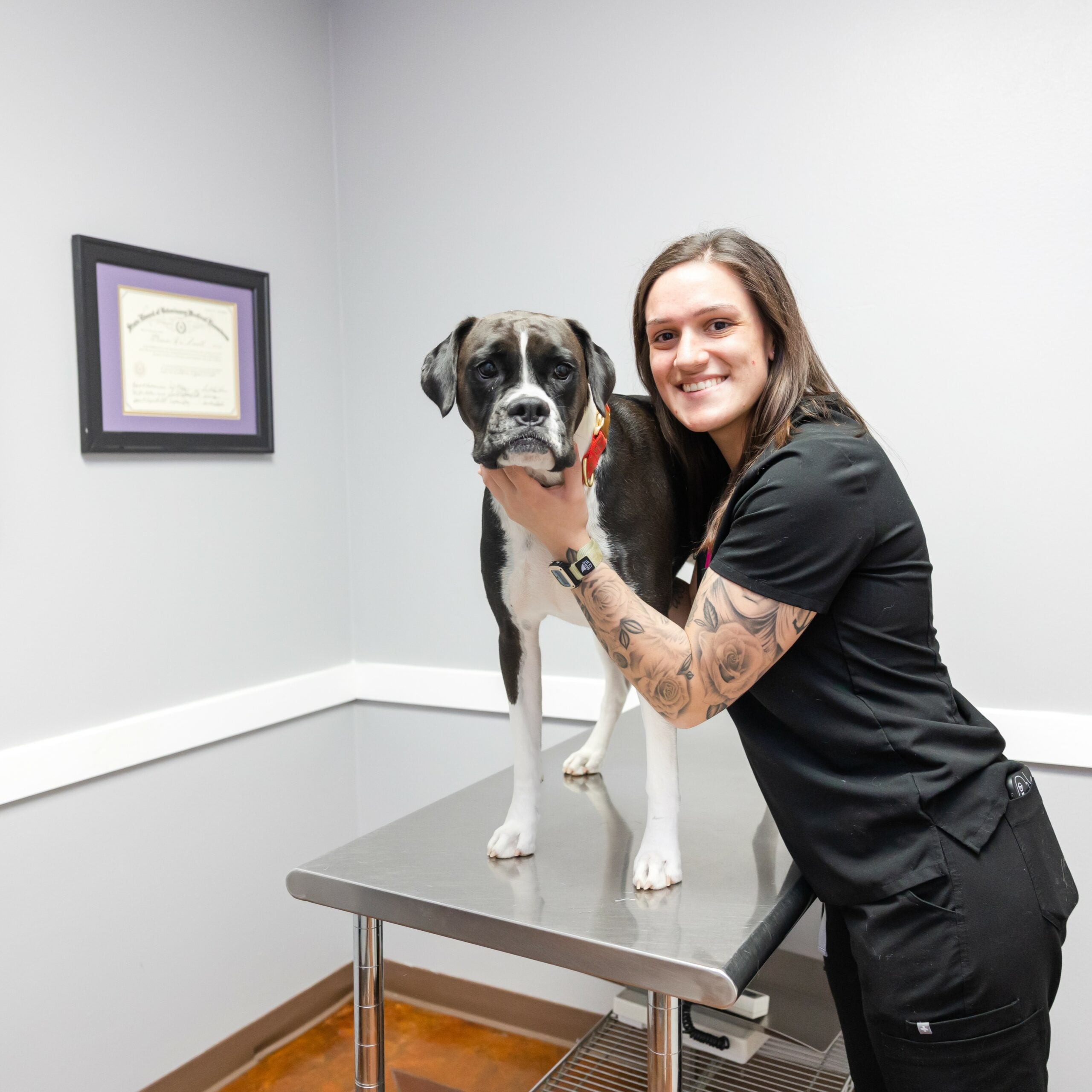
In the end, wellness is a practical habit that adapts to the day-to-day. Smaller pets might need more frequent weight checks or dental attention, while larger or senior animals demand a careful balance of prevention and symptom awareness. The most successful families treat wellness as a shared responsibility with the veterinary team, not a one-off transaction at the counter. When a family commits to regular exams, timely vaccines, dental care, and patient discussions about spay, neuter, or surgery as needed, the results are measurable: fewer emergency visits, steadier energy, and longer, more comfortable lives for the pets.
If you’d like to discuss a tailored wellness plan for your household, Prairieville Animal Hospital is available for a conversation about your pet’s unique needs. We can review your pet’s vaccination schedule, outline an age-appropriate dental plan, and schedule preventive care around your calendar. The goal is straightforward: to build a sustainable routine that respects your pet’s life stage and transforms preventive care from a checklist into a reliable, stress-free pathway to health.
Closing thoughts
Routine pet wellness is not glamorous, and it rarely feels urgent in the moment. What it does, with quiet persistence, is create a framework where health issues are caught early, where vaccines remain informative rather than intrusive, and where the family and the pet share a clear sense of partnership. The experience is practical and humane, grounded in what real pets need and what real families can manage. It is the day-to-day work that makes a life together with a companion animal resilient, joyful, and enduring.