Prairieville Animal Hospital Animal Hospital: Pain-Free Anesthesia in Pets
Pain-free anesthesia is not a marketing promise here. It’s a standard of care built on careful planning, meticulous monitoring, and a deep understanding that pets experience surgery differently from people. At Prairieville Animal Hospital, the focus is clear: minimize pain, minimize risk, and support a smooth, predictable recovery. The realities of veterinary anesthesia—especially for small patients or older animals with chronic conditions—demand a thoughtful blend of science, vet prairieville la skilled hands, and honest conversations with caregivers. What follows isnische steps and lived lessons from the clinic floor, where every patient teaches us something about comfort and safety.
A lot of pet owners come to us with questions that feel practical more than theoretical. Will my dog tremble during anesthesia? Is the fox-trot of a cat under anesthesia unsafe for my senior cat with kidney disease? How will we know if everything is going right while the anesthesia wears off? The aim here is to share how a pain-free approach comes to life in real terms, not in abstract guarantees. It starts with planning, proceeds through the day of surgery, and ends with a recovery period that prioritizes comfort and clear communication with families.
Understanding the why behind pain-free anesthesia matters helps families trust the process. The veterinary profession has learned a straightforward truth: pain and stress compound quickly in animals that cannot verbalize what they feel. Preemptive strategies that combine sedation, analgesia, and carefully chosen anesthetic drugs reduce not only immediate discomfort but also the risk of complications such as anxiety-induced tachycardia, poor appetite after surgery, or delayed healing. The science is clear enough to guide practice, but the skill of delivering pain-free anesthesia rests on the everyday habit of observing a patient’s signals and adjusting in real time.
In the rooms where these decisions are made, every pet becomes a story of risk balanced against reward. The patient who has lived with intermittent back pain or a history of respiratory issues can present unique anesthesia challenges. The clinical goal is not simply to knock the animal out for a procedure, but to keep the animal comfortable, breathing steadily, and waking with as little droop as possible. The team at Prairieville Animal Hospital builds this through a multi-layered approach: thorough preoperative assessment, tailored drug choices, constant intraoperative monitoring, and proactive postoperative comfort measures.
A look behind the curtain reveals how this translates into practice. Preoperative planning begins with a candid conversation with the caregiver about what the procedure entails and what the pet’s medical history means for anesthesia. If a patient has heart murmurs, kidney disease, liver enzyme elevations, or a history of anesthesia-related nausea, those details shape the plan. The goal is to minimize exposure to drugs that could aggravate existing conditions while ensuring the procedure proceeds without unnecessary pain or stress. The balance is delicate. It requires a careful weighing of risks and benefits, a patient-focused approach, and the humility to adjust when a plan shows signs of needing refinement.
The actual day of surgery brings together a handful of pieces that, in many clinics, seem routine. Yet in our practice they are the difference between a pet waking up calm or distressed. Anesthesia is never a one-size-fits-all affair. For some patients, a light sedation paired with a local nerve block might suffice for a short dental cleaning. For others, especially those undergoing more complex procedures, a general anesthetic plan with multimodal analgesia is the norm. The driving idea is to prevent pain before it starts, using preemptive analgesics that blunt the body’s pain signaling as the first incision is made.
The care extends beyond the operating room. Pain-free anesthesia at Prairieville Animal Hospital is not a moment but a continuum. After surgery, the pet enters a recovery phase guided by careful observation and timely administration of analgesics as needed. We don’t rely on a single drug or a single route of relief. Instead, we deploy a spectrum of options—systemic medications, local anesthetics, and, when appropriate, non-pharmacologic comfort strategies. The aim is steady, gentle emergence from anesthesia, minimal nausea, and a recovery period that lets the pet rest and heal without surprise spikes of pain.
The human element in this work cannot be overstated. Families often sense the difference when a team holds a patient with quiet authority rather than a detached, generic procedure. Communication during the process matters. We strive to translate what is happening into understandable terms for caregivers: what drugs are used, why they are chosen for a particular patient, how monitoring works, what signs to watch for in the first 24 to 48 hours, and when to call if something seems off. It is not about promises of flawless outcomes but about reliable, informed care that respects the animal’s experience and the caregiver’s peace of mind.
What does pain-free anesthesia look like in everyday practice? It is a combination of discipline and flexibility. The discipline is in the standard procedures that hold steady across patients: thorough preoperative checks, weight-based drug dosing, sterile technique for any injections or blocks, and a consistent monitoring protocol in the operating room. The flexibility comes in recognizing when a patient’s responses require a deviation from the generic script. Perhaps a different premedication would reduce intraoperative motion in a fractious dog. Maybe a local nerve block will spare a small dog from systemic opioids while providing targeted pain relief for an abdominal incision. Each patient asks a slightly different question, and the team responds with an adapted plan.
In truth, the measurable benefits of pain-free anesthesia show up in numbers and in days. Recovery times can be shorter when pain is controlled effectively, appetite can return sooner, and activity levels stabilize more quickly after surgery. The animals we care for often sleep through the early hours post-procedure, waking with a sense of security that comes from knowing pain signals are being addressed. It is not magic; it is the result of a robust, repeatable approach that has grown through years of clinical experience and a sustained commitment to the well-being of patients.
Two realities shape how we communicate this idea to families. First, every pet is an individual. Second, the field of anesthesia is complex and evolving. We don’t pretend there is a universal formula that guarantees flawless results for every case. Instead, we offer a transparent plan, a rationale for drug choices, and a safety net that includes monitoring, readiness to respond to changes, and a clear path to guidance after discharge. The aim is trust built through consistency and actual outcomes, not through confidence statements that lack specifics.
Two clear examples from practice illuminate the point. The first involves a middle-aged dog undergoing dental extraction. Dental work carries a high potential for postoperative discomfort, and this patient presented with a delicate heart murmur. The team chose a premedication that balanced anxiety reduction with cardiovascular stability. A local anesthetic block was used where appropriate, and intraoperative analgesics were chosen to minimize reliance on systemic medications that can affect the heart. The result was a smooth emergence from anesthesia, minimal postoperative nausea, and a short recovery period at home. The caregiver reported a comfortable dog that resumed eating quickly and appeared to settle into normal routine within 24 hours.
The second example centers on a cat scheduled for an exploratory procedure. Cats can be unpredictable under anesthesia, especially when stress sensitivity and underlying conditions complicate the picture. In this case, a multimodal plan prioritized gentle induction, steady monitoring of respiratory parameters, and a layered approach to pain control. Postoperative analgesia was tailored to the cat’s responses, with careful monitoring for signs of discomfort and fluency in bringing the animal back to alertness. The family appreciated the clear communication about what to expect in the hours after surgery, along with practical tips for home care that supported a smooth recovery.
For families weighing a surgical decision, the conversation about pain-free anesthesia often centers on a few practical questions. How do we know if our pet is in pain after the procedure? What signs should we watch for during recovery, and when do we call the clinic? How can we prepare the home environment to support comfort and healing? The answers come from a combination of clinical assessment tools, caregiver education, and realistic timelines. We encourage families to report even mild concerns early, because early intervention can prevent escalation into more significant discomfort or anxiety.
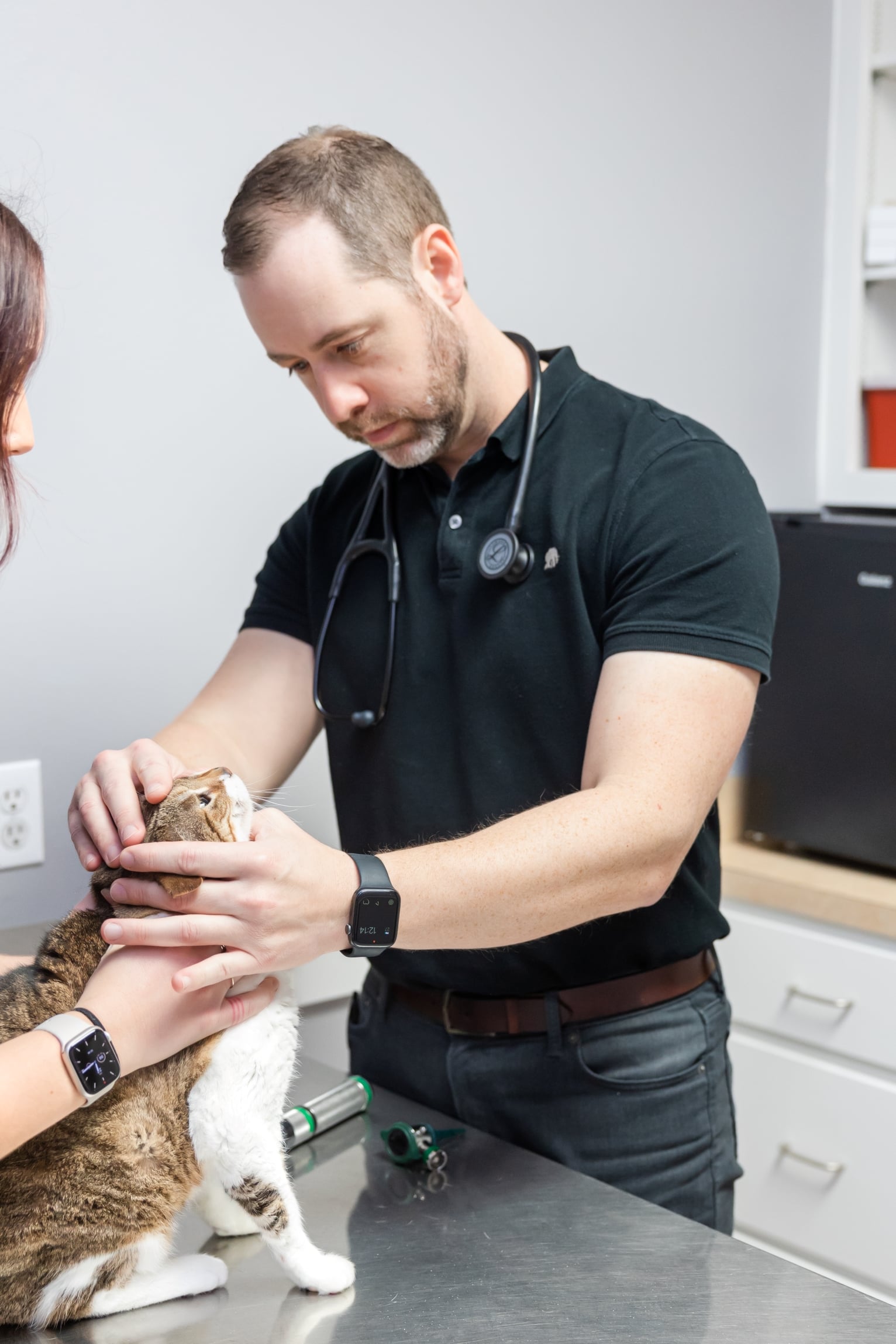
In the end, pain-free anesthesia is a living practice at Prairieville Animal Hospital. It is built on the conviction that comfort is a critical component of successful surgery, not a luxury, and that every animal deserves a plan that respects both physiology and temperament. It is also a collaborative process with families, where open dialogue, precise expectations, and a shared commitment to the pet’s well-being guide every step from intake to discharge.
Common anesthesia options you might hear about in our discussions include several approaches that can be combined depending on the case. The right mix depends on the animal’s species, age, weight, medical history, and the specific procedure.
Common anesthesia options at Prairieville include:
- General anesthesia with endotracheal intubation for procedures that require complete unconsciousness and controlled breathing.
- Sedation with local anesthesia or regional nerve blocks for smaller procedures or dental work, allowing quick recovery and reduced systemic drug exposure.
- Local anesthesia to nudge pain relief directly at the incision or treatment site, often used in combination with other analgesics.
- Multimodal analgesia that uses a combination of drugs targeting different pain pathways, reducing the total dose required and balancing side effects.
- Noninvasive monitoring protocols that prioritize continuous observation without interfering with the pet’s natural comfort whenever possible.
These options are not presented as a single recipe but as a toolbox. The veterinarians at Prairieville Animal Hospital choose the combination that aligns with the patient’s physiology and the clinician’s judgment about risk and benefit. If a dog has mild obesity but no cardiac issues, the plan may differ from a slender cat with mild kidney concerns. The art lies in applying the science to the patient’s life as it exists in the clinic.
Post-operative care is the other half of the equation. Pain control does not end with the last suture or the closing of the skin. Recovery is an active phase, during which caregivers play a central role. We provide explicit home care instructions tailored to each patient, outlining when to administer medications, how to monitor activity levels, and what signs indicate that the animal is returning to health or needs veterinary attention. A well-managed recovery reduces the risk of late-stage complications and helps the animal regain normal behavior quickly.
Though we emphasize pain relief, we also acknowledge the realities of anesthesia in pets. Rarely, a patient may experience nausea, vomiting, or mild delirium as the anesthesia wears off. These reactions do not negate the overall safety and comfort provided by a well-planned anesthetic protocol. They are signals to adjust the plan in real time or in future procedures. Each encounter informs the team, refining the approach for the next patient without compromising the current case.
Beyond the procedural details, the ethos of pain-free anesthesia at Prairieville Animal Hospital rests on transparency. Caregivers deserve straightforward explanations about what is being done and why. We encourage questions about the drug choices, potential side effects, how pain will be managed, and what the recovery experience looks like in practical terms. The more precise our guidance, the more confident families feel about moving forward with needed procedures.
This approach is not purely theoretical. It is informed by daily practice, careful audits, and patient outcomes that guide adjustments to protocols over time. It includes ongoing training for the team to stay current with best practices in analgesia, sedation, and monitoring technology. It requires investment in equipment and staffing that make it feasible to observe vital parameters continuously and to respond quickly if something changes.
For families considering services at Prairieville Animal Hospital, the question of risk deserves a grounded answer. The goal is to minimize risk through meticulous planning and to address pain and discomfort proactively. The result is a safer experience for both patient and caregiver, one that supports quick return to normal activities and reduces the emotional and physical toll that surgery can take on a beloved pet.
In the end, pain-free anesthesia is about more than keeping a pet asleep during a procedure. It is about preserving dignity, comfort, and function through an approach that blends science with compassionate, practical care. Our team understands the stakes: the animal in the chair is a family member, and the caregiver’s trust is earned with every successful recovery, every calm awakening, and every clear, honest conversation about what comes next.
For those who want to know what to expect on the day of surgery, here is a concise summary of the typical flow, from intake to discharge, observed in our halls:
- Preoperative assessment and discussion with the owner about medical history, procedure, and pain management goals.
- Selection of an individualized anesthesia plan that balances safety, comfort, and speed of recovery.
- Continuous monitoring in the operating room, including heart rate, respiratory rate and pattern, blood pressure, oxygen levels, and temperature when feasible.
- Postoperative observation in a quiet recovery space with pain scores evaluated at regular intervals and analgesia adjusted as needed.
- Clear discharge instructions that cover medications, activity restrictions, feeding, and when to seek help.
The patient’s journey does not end when the sutures are neat and the staff says goodbye. The caregiver becomes a partner in ensuring ongoing comfort and progress. This is where practical, down-to-earth guidance matters most. We encourage families to establish a simple routine that supports healing: a familiar environment, predictable meal times, controlled activity, and a watchful eye for changes in appetite or mood. Small pets can bounce back quickly when given time and space to rest, and larger patients often show notable improvement within a couple of days.
To make the information more tangible, consider a few realistic expectations about specific scenarios. A minor soft tissue procedure in a small dog might involve short anesthesia with a rapid recovery window. The team would focus on delivering a quick emergence, gentle pain relief, and a clear plan for resuming normal activities within 48 hours. For an older dog with a heart condition undergoing dental cleaning, the anesthesia plan may lean more on sedation combined with local analgesia and careful intraoperative monitoring to preserve cardiovascular stability while ensuring effective pain control for post-procedural comfort.
The cat world has its own peculiarities when it comes to anesthesia. Cats, particularly those with chronic illnesses or stress sensitivity, require careful handling and dosing. It is common to employ a gentle induction protocol, a robust monitor during surgery, and a multi-pronged approach to pain relief after the procedure. Nausea management is also a crucial piece, since a nauseated cat will not eat or move comfortably, delaying recovery. The same principles apply: prevent pain where possible, respond quickly if discomfort emerges, and provide families with precise, actionable home care guidance.
In practice, a pain-free anesthesia protocol is never a static document. It evolves through patient outcomes, new research, and the clinic’s collective experience. The Prairieville team reviews each case with a critical eye, looking for opportunities to reduce drug exposure, improve monitoring, or refine post-operative care. This ongoing cycle ensures that we remain not just current, but ahead in terms of how we support animals through surgery with dignity and comfort.
One challenge worth acknowledging is the emotional dimension of anesthesia for pet owners. Fear of adverse events is common, and a misinterpretation of risk can lead to hesitation about necessary procedures. Our approach is to provide precise, balanced information. We talk about risk in practical terms, such as the likelihood of a minor postoperative complication versus the reassurance that the same scenario would be managed promptly in a well-equipped hospital. The aim is to empower caregivers with knowledge rather than to push a decision through fear or ambiguity.
In closing, pain-free anesthesia at Prairieville Animal Hospital is more than a technique. It’s a philosophy of care that values the animal as a living, feeling being and respects the family’s need for reliable, understandable information. The work rests on a foundation of clinical skill and humane attention that translates into calmer awakenings, smoother recoveries, and the confidence that the pet’s comfort is never an afterthought. It is the kind of care that comes from years of practice, from listening to both animals and their people, and from maintaining a steady, deliberate pace that has proven itself time and again in the clinic’s daily routine.
Postoperative care is a practical anchor in the overall plan. Recognizing the signs of pain, monitoring for potential nausea, and ensuring a caregiver has clear instructions are essential. The two lists above reflect the core elements of what we consider when designing a pain-free anesthesia regimen and how we support families after discharge.
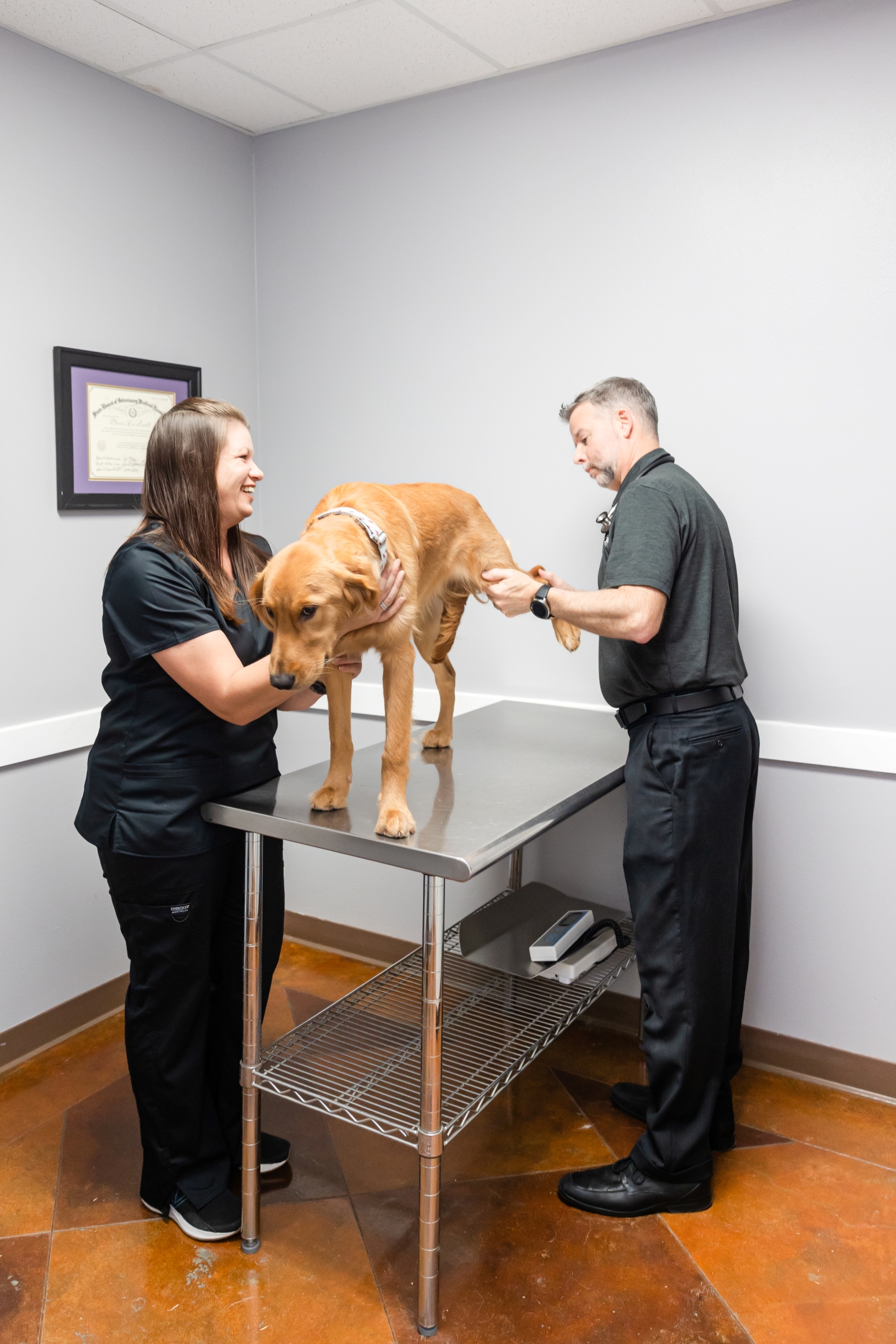
If you are weighing a procedure for your pet and want to know more about how Prairieville Animal Hospital handles pain-free anesthesia, we invite you to reach out for a consultation. The team will listen to your pet’s medical history, discuss procedure details, and tailor a plan designed to minimize pain and risk while supporting a smooth, confident recovery. The goal is straightforward: your pet returns to the everyday joy of being a pet, with comfort as a steady companion from start to finish.