Choosing a Veterinary Clinic PrairievilleAnimalHospital.com: What to Look For
Finding the right veterinary clinic for your pet is less about glossy marketing and more about consistent, dependable care. Over the years I’ve visited a handful of clinics, watched how they handle routine wellness, and observed how they respond when a pet needs a little extra attention. Prairieville is fortunate to have options, but the question remains: which clinic truly fits your family’s needs? This piece walks through practical criteria, concrete experiences, and the kind of day-to-day realities that influence a successful veterinary relationship.
A clinic should feel like an extension of your home team. That means trust isn’t earned in a single visit, but built through repeat interactions—appointments that run on time, staff who remember your pet’s name, and a front desk that treats you as a partner in care. Prairieville Animal Hospital, and others in the area, vary in emphasis and approach. The aim here is to outline a framework you can apply when you tour a clinic or when you’re weighing a long-term commitment to one practice.
Understanding your own priorities helps you assess a clinic with sharper eyes. Some families value rapid access to care and weekend availability; others prioritize in-house diagnostics and the depth of surgical support. A practical approach combines evaluating the basics with looking under the hood: how a clinic handles prevention, pain management, surgical procedures, dentistry, and post-visit follow-up.
The backbone of any good clinic is its wellness philosophy. Routine pet wellness exams, vaccinations, dental care, and preventive therapies form a rhythm that keeps pets healthy and owners confident. In many ways, the strength of a clinic shows up in the little things: how they document histories, how they communicate findings, and how they tailor recommendations to a given pet’s age, breed, and lifestyle. A thoughtful approach isn’t about maximizing tests or procedures, but about selecting meaningful steps that move a pet’s health forward without breaking the budget or causing stress.
What to look for in a veterinary clinic
When you set foot in a clinic, the first impression matters, but the deeper indicators matter more. The space should feel organized and calm, not sterile in a way that conveys distance. The reception area should be quiet enough for a nervous dog to settle, and the exam rooms should feel clean and well organized. Beyond the skin-deep impressions, here are the most telling signals of a clinic that can be trusted with your pet’s health.
First, the team behind the care. A clinic relies on a blend of veterinarians, veterinary technicians, client service staff, and often a practice manager who understands both medicine and logistics. It’s reassuring when the staff can articulate why a recommended test or procedure is appropriate, and when they demonstrate patience in explaining options. If you can observe the team during peak hours, pay attention to whether the front desk calmly coordinates intake, whether technicians step in with comforting tone for anxious pets, and whether doctors have time to answer questions without rushing you out the door.
Second, the breadth and depth of services. A robust clinic doesn’t stop at vaccinations and wellness exams. It should offer a continuity of care that includes preventive dental care, regular spay and neuter services, and, when needed, reliable pet surgery with appropriate anesthesia and pain management protocols. In practice, you’ll notice the value of a clinic that can handle both routine care and targeted procedures in-house, minimizing the need for specialist referrals for common issues. This comes in handy when a quick decision is necessary and you want to avoid unnecessary travel for care.
Third, the quality of preventive care and client education. Wellness exams should be more than a stamp in a file. The best clinics tailor recommendations to each pet, considering age, weight, activity, and medical history. They discuss vaccination schedules with nuance, balancing disease risk with the pet’s lifestyle and the owner’s ability to comply. They also offer practical guidance on nutrition, exercise, parasite control, and dental hygiene, and they follow up to ensure that an at-home care plan is workable.
Fourth, anesthesia and surgical safety. If your dog or cat ever requires anesthesia, you want to know that the clinic uses current, evidence-based protocols, monitors vital signs continuously, and has contingency plans for unexpected events. You may not realize how much goes into safer surgeries until you hear about the team’s approach to pre-anesthetic screening, the availability of trained technicians during procedures, and the post-anesthetic recovery process. A clinic with transparent policies on pain control and post-operative monitoring tends to be a clinic that takes animal welfare seriously.
Fifth, transparency around costs and care plans. Veterinary care can be expensive, and budget considerations are real for most families. A trustworthy clinic will explain the rationale behind a recommended treatment, provide a clear estimate, and discuss options if costs exceed expectations. It’s not about the lowest price, but about clarity, fairness, and the ability to adjust a plan without compromising the pet’s welfare. Access to itemized receipts, a patient portal for records, and clear guidance on payment options all help maintain trust over time.
Sixth, accessibility and continuity of care. If your schedule is busy, you want a clinic with reasonable hours, including some weekend or evening appointments. Look for a system that can handle urgent wellness concerns without forcing a long wait. Continuity matters too—seeing the same doctors or familiar staff over time helps them understand your pet’s quirks and medical history beyond a single visit.
Seventh, emergency coverage and after-care support. Not every clinic handles true emergencies, but many offer guidance or refer to a trusted partner when the situation warrants urgent attention. A clinic that provides after-care instructions clearly and is reachable for questions in the days after a procedure is a meaningful advantage. The ability to call animal clinic prairieville la and reach a real person after hours, or access to emergency care within a reasonable radius, can dramatically affect outcomes in unexpected situations.
Practical realities of pet wellness exams
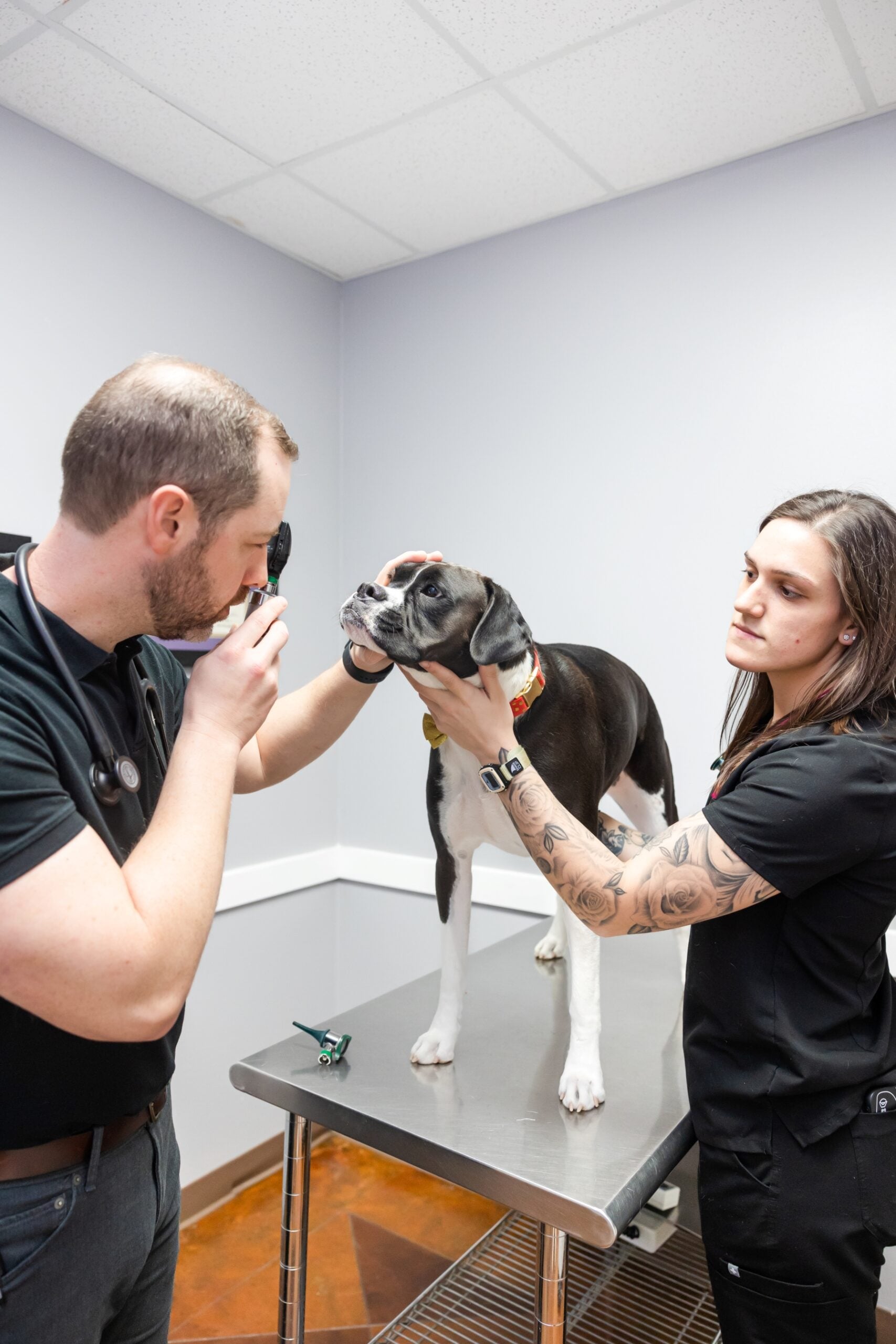
Pet wellness exams are the heartbeat of preventive medicine. They’re not an annual novelty; they’re the anchor for every health decision you’ll face with a companion animal. In day-to-day practice, a well-run wellness visit unfolds with a courteous greeting, a careful physical assessment, and a discussion that aligns medical knowledge with your pet’s life stage.
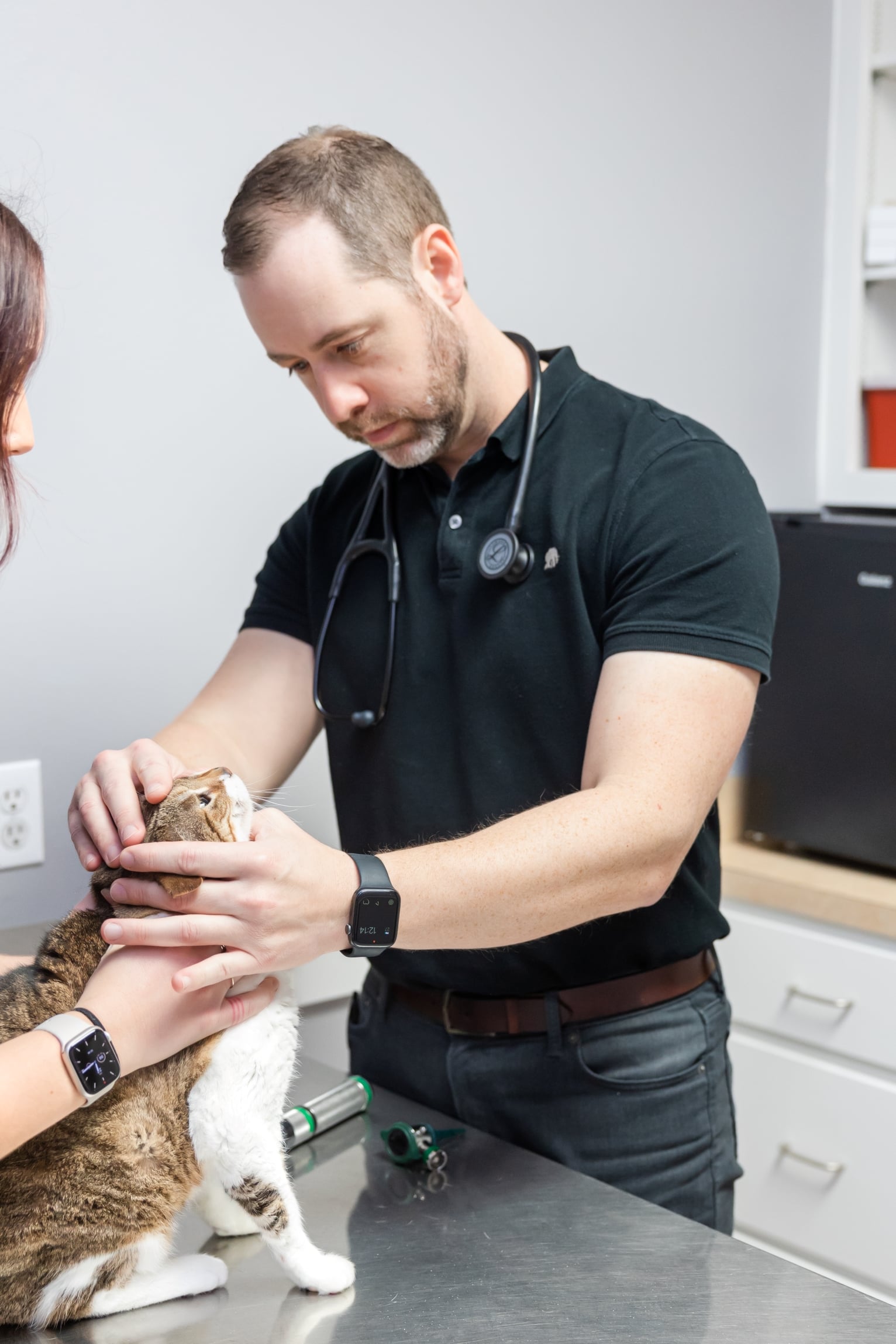
A typical wellness exam begins with history and observation. The veterinarian listens for changes in appetite, energy, coat quality, or behavior. They review any medications, vaccinations, or past issues. Then there’s the physical exam: listening to the heart and lungs, palpating the abdomen, and assessing joints and mobility. The goal is not to diagnose everything in one sitting but to identify clues that may warrant a plan for further evaluation. A good clinician will also note subtle signals from you about your pet’s exercise tolerance, sleep patterns, and comfort levels.
Vaccinations sit at the center of preventive care, but they are not a one-size-fits-all decision. The right vaccine schedule depends on factors like age, lifestyle, travel, and exposure risk. A clinic that takes time to explain both the benefits and the possible side effects of vaccines—and that offers a plan you can manage—helps owners feel confident in the decisions they make for their pets. In practice, you’ll see vaccination discussions woven into the overall wellness plan, rather than presented as a stand-alone, one-and-done event.
Dental care often turns out to be more impactful than pet owners expect. Routine dental cleanings and at-home dental care interventions can prevent pain and systemic issues down the line. A clinic that emphasizes dental health with patient education, demonstrates the connection between oral health and organ function, and provides accessible dental services is a clinic that supports long-term well-being. The nuance matters here: dental care isn’t a luxury; it’s a cornerstone of quality-of-life for many pets.
Spay and neuter services, when appropriate, are another pillar of preventive care. Beyond population control, spaying and neutering can reduce the risk of certain reproductive cancers and mitigate behavior issues tied to hormones. The decision process should involve clear timelines, potential risks, and a plan for post-operative care. A clinic that handles these procedures in-house and lists clear after-care steps for owners is easier to work with than one that outsources everything or leaves you with vague instructions.
Pet surgery and anesthesia are naturally ongoing concerns for many families. Even minor procedures can raise questions about recovery times, pain management, and nutritional needs during the healing period. The best clinics provide explicit guidelines on pain relief, activity restrictions, feeding changes, and signs that would require a return visit. They also offer a straightforward path for follow-up communications if something seems off after surgery. In my experience, the most reassuring clinics integrate surgeons who communicate clearly about what to expect and keep you informed throughout the process.
Pet dental care deserves a separate emphasis because it often reveals the gap between good intentions and real outcomes. A clinic that schedules regular dental cleanings for patients as they age, provides practical at-home routines, and tracks improvements over time signals a thoughtful long-term plan rather than a reactive approach to dental disease. Clear pricing for dental work, including anesthesia, is essential so owners can make informed choices rather than feeling blindsided by an unexpected bill after a procedure.
Choosing a clinic for your family
The moment you start comparing clinics, you’ll notice two underlying tensions: the desire for comprehensive in-house capabilities and the need for a personal, communicative experience. The clinics that balance both tend to deliver care that feels seamless rather than fragmented. When you talk to staff, you’re not just assessing knowledge; you’re evaluating how information is shared, how decisions are explained, and how you’re invited to participate in your pet’s care plan.
To help navigate conversations with clinics, you might consider these guiding questions. They’re designed to surface practical details you will actually use in daily life, not just in a single visit.
- What does your preventive care schedule look like for a middle-aged dog and a senior cat?
- How do you approach anesthesia safety for routine surgeries and dental procedures?
- What post-visit support do you offer if my pet experiences a reaction or a post-operative concern?
- How transparent is the pricing and what items are typically included in a comprehensive care plan?
- Do you offer online access to medical records, appointment reminders, and care recommendations?
If you’re evaluating Prairieville Animal Hospital specifically, you’ll want to observe how they integrate these facets of care into their daily practice. Do they have a clear plan for wellness visits, including vaccinations and dental care, that aligns with current veterinary guidelines? Can they describe their in-house capabilities and when they rely on external specialists? How do they handle urgent wellness needs and after-hours questions?
The trade-offs and edge cases you’ll encounter
No clinic is perfect, and every choice involves trade-offs. Some clinics excel at preventive care but face occasional scheduling bottlenecks during peak seasons. Others might have a broad service menu but run lean on client education, leaving owners with more questions after a visit. It’s helpful to map out your pet’s typical needs and then see where a clinic’s strengths align or where you might encounter friction.
Edge cases often reveal a clinic’s true character. If your pet requires a procedure that falls between routine care and specialized intervention, how does the clinic respond? Is there an established process for coordinating with specialists, and are there clear pathways for sharing records and test results? In emergencies, the ability of a clinic to stay calm and communicate clearly can be the difference between a misstep and a timely intervention.
Another practical edge case centers on costs. Budgeting for veterinary care is rarely simple, especially when unexpected issues arise. A clinic that offers transparent pricing, itemized estimates, and a discussion of alternative options demonstrates respect for the owner’s time and resources. It’s reasonable to expect that a clinic will explain the value of each recommended step and help you prioritize care based on your pet’s current condition and future risk.
Sustaining a long-term partnership with your clinic
Once you settle on a clinic, sustaining a healthy relationship is about continuity, communication, and trust. Continuity means seeing familiar faces and keeping a consistent standard of care. It means that the same team members can interpret your pet’s history without you needing to repeat every detail at every visit. A clinic that invests in their staff, provides ongoing training, and fosters a respectful client culture makes you and your pet feel secure over time.
Communication is the bridge between visits. When a clinic respects your time, returns calls promptly, and offers clear after-care instructions, it reduces anxiety and improves adherence to care plans. Digital portals can be a practical bridge here, giving you access to vaccination records, lab results, and reminders. But the human touch remains essential; it’s about receiving explanations you can act on, not merely receiving data.
Trust grows when you observe ethical practice in everyday decisions. You want a clinic that prioritizes animal welfare over expediency, that discusses risk versus benefit openly, and that avoids pressure tactics when a different approach could be equally effective. In short, trust is built by consistent behavior across routine visits, in moments of uncertainty, and during the day-to-day execution of preventive care.
A practical approach for families weighing Prairieville clinics
If you’re in the process of selecting a veterinary partner in the Prairieville area, consider these notes as a practical framework, not a checklist that ends all discussion. The real test is how a clinic acts when the routine becomes complex, when you have questions about a new symptom, or when a routine exam reveals a subtle but meaningful red flag.
Begin with a soft test drive. Book a routine wellness exam for a well-behaved, healthy pet and observe the flow of the visit: how the exam is conducted, how questions are answered, and how follow-up steps are communicated. A single well-executed visit can set the tone for a productive partnership, especially if you walk away with a concrete plan and a sense that your pet’s comfort has been prioritized.
Watch for the quality of home-care guidance. The best clinics don’t simply hand you a printout and send you on your way. They engage you in a practical plan: a schedule for nail trims, dental brushing, parasite prevention, and a realistic vaccination cadence that fits your life. If you walk away with a better understanding of what to do at home between visits, you’ve found a clinic that respects your daily routine as much as your pet’s health.
Note how they handle referrals and collaborations. The moment a case requires more than routine care, a clinic’s strength becomes apparent in how they coordinate with specialists, how they share records, and how they keep you in the loop. A seamless handoff is a sign that the clinic values continuity of care, not just the appearance of comprehensive services.
Two lists that can guide your evaluation
-
Consider these factors when comparing clinics:
-
Team experience and communication style
-
Range of in-house services (preventive care, dentistry, spay and neuter, surgeries)
-
Anesthesia safety and perioperative care
-
Transparency of pricing and care plans
-
Accessibility and after-care support
-
Useful questions to ask during visits:
-
How do you tailor preventive care to my pet’s age and lifestyle?
-
What does your post-operative or post-visit follow-up look like?
-
Can I access my pet’s records online, and what information is included?
-
How do you handle urgent care or after-hours questions?
-
Are there any common or typical costs you can share for routine procedures?
A closing reflection
Choosing a veterinary clinic is, at its core, choosing a partner in your pet’s health journey. It’s about alignments—between your expectations and a clinic’s capabilities, between your family’s routine and the clinic’s scheduling, between the comfort you feel in the space and the confidence you gain from the team’s expertise. Prairieville offers options, and the better choice is the clinic that makes you and your pet feel seen, heard, and supported through every stage of life.
In the end, the goal is predictable care that respects your pet’s comfort, your time, and your resources. A clinic that stands behind its recommendations, that educates without talking down, and that follows through with clear communication is the clinic you’ll be grateful to have on your team. It isn’t about chasing the newest gadget or the flashiest facility; it’s about consistent, thoughtful care that helps your companion stay healthy and joyful year after year.